
GROUP EMDR THERAPY
When a Traumatic Event Affects More Than One Person
When a family, group, or workplace experiences a traumatic event, the impact can extend far beyond the event itself.
Group EMDR provides a structured approach to helping people process the impact of a shared or critical experience while allowing each person to work with their own responses privately.
WHAT IS GROUP EMDR?
You Can Process Together Without Sharing Everything Together
Group EMDR uses specialized EMDR protocols developed to support multiple people at the same time while allowing each person to work with their own experience privately.
Unlike traditional group therapy, you are not required to tell the group what happened, describe your memories, or share the details of what you are processing. Each person follows a structured process focused on their own responses while being supported within a group setting.
This approach can be especially helpful when a family, team, workplace, or community has been affected by the same event, while recognizing that each person may experience and respond to that event differently.
WHO GROUP EMDR CAN SUPPORT
One Experience Can Affect Many People Differently
When several people are impacted by the same event, they may share an experience without having the same response to it. Group EMDR creates space for each person to process what the experience has meant for them.
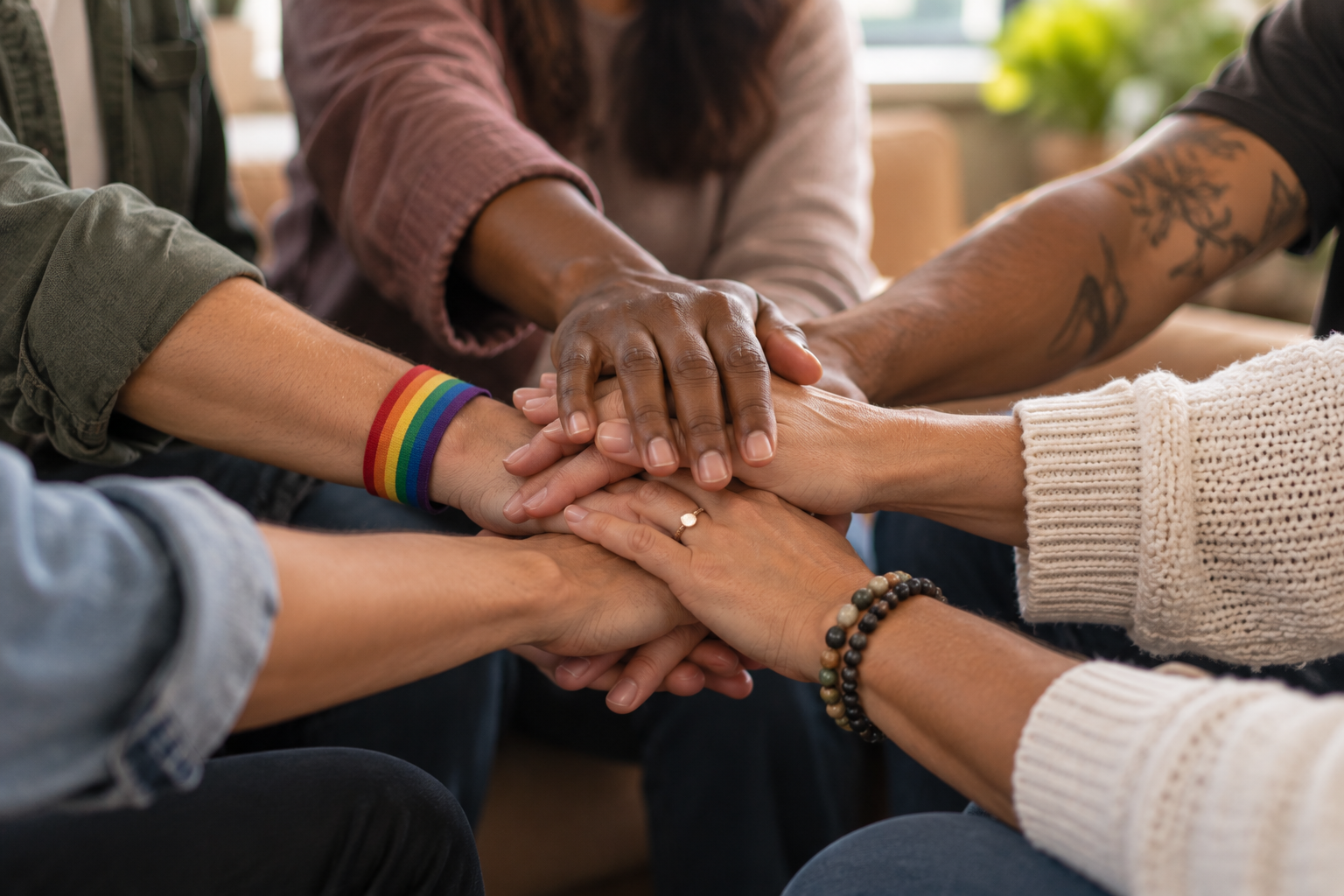
Families & Groups
When several people are impacted by the same event, they may share an experience without having the same response to it. Group EMDR creates space for each person to process their own experience while being supported within the group.
THIS MAY INCLUDE:
Accidents or serious injuries
Sudden or traumatic loss
Natural disasters
Violence or frightening events
Medical emergencies
Other experiences that have affected multiple members of a family or group
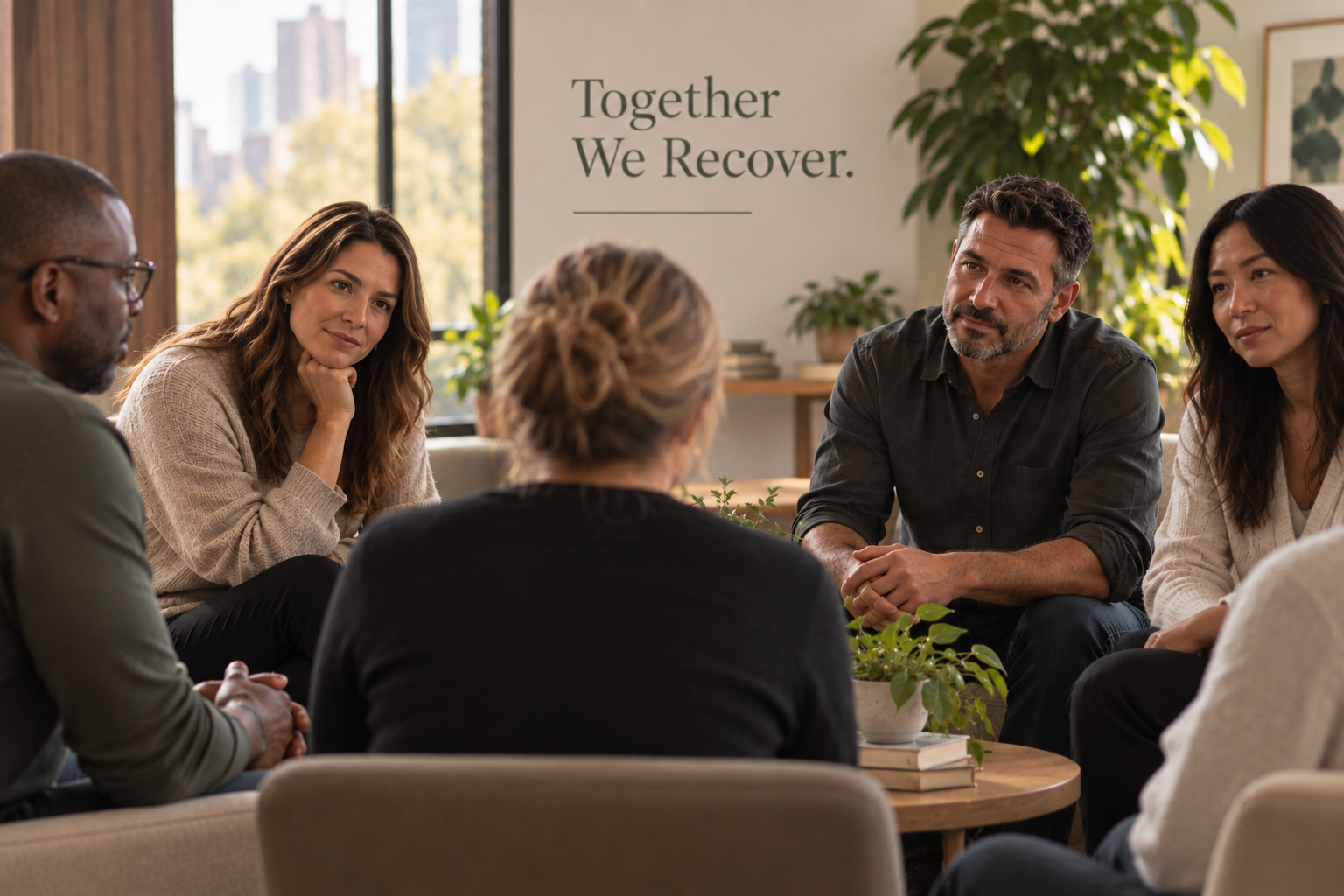
Workplaces & Organizations
When a traumatic or critical incident happens at work, the impact rarely ends when the immediate crisis is over. Employees may return to work carrying very different responses to what happened.
Reset Self provides on-site Group EMDR support to help employees process the impact of a shared workplace event within a structured, trauma-informed setting.
THIS MAY INCLUDE:
Workplace accidents or serious injuries
Death of an employee or colleague
Workplace violence
Traumatic events witnessed by employees
Critical incidents affecting a team
Other unexpected events with a significant impact on employees
ON-SITE CRITICAL INCIDENT SUPPORT
Support can be provided at your organization following a traumatic or critical workplace event.
HOW GROUP EMDR WORKS
You Don’t Have to Tell Your Story to Process What Happened
Group EMDR is different from what many people imagine when they think of group therapy. You are not sitting in a circle taking turns telling your story, and you are not required to share the details of what happened.
Instead, each person is guided through a structured EMDR protocol while working privately with their experiences. The group moves through the process together, while the work itself remains individual.
The Group Traumatic Episode Protocol (G-TEP)
G-TEP is a specialized EMDR protocol developed to support groups of people who have been impacted by a traumatic or highly distressing event. Participants are guided through a structured protocol that includes grounding and preparation before identifying and working with a specific part of the experience that remains distressing.
Each person works privately with their own experience using bilateral stimulation while being guided through the protocol as a group. Participants do not have to disclose or share the details of what happened.
SCREENING & PREPARATION
Group EMDR Starts With Understanding Each Person
Although Group EMDR takes place within a group, each person enters the experience with their own history, responses, and needs. That’s why every participant begins with a prescreening followed by an individual intake.
The intake allows us to understand more about what each person has experienced, how they have been impacted, and what support or preparation may be helpful before participating in the group protocol. It also helps determine whether Group EMDR is an appropriate fit for that individual at that time.
TAKE THE NEXT STEP
Support Can Begin With a Conversation
Whether you’re seeking support for a family or group following a difficult experience, or you’re an organization looking for support after a critical incident, we can start with a conversation and explore what support might look like from here.